The NAD+ Reset: Reverse Cellular Aging & Skyrocket Energy in 30 Days (2026 Update)
In the relentless pursuit of longevity and vitality, science is unlocking profound secrets about how our bodies age. At the forefront of this revolution is Nicotinamide Adenine Dinucleotide (NAD+), a coenzyme found in every living cell. As we age, NAD+ levels plummet, contributing to cellular dysfunction, declining energy, and the hallmarks of aging. But what if there was a way to actively boost your NAD+ levels and potentially reverse aspects of cellular aging? Welcome to the era of the NAD+ Reset, a scientifically-backed approach gaining significant traction in 2026 for its potential to revitalize your health within just 30 days.
Understanding NAD+: The Master Molecule of Energy and Repair
NAD+ is absolutely critical for life. It acts as a molecular workhorse, participating in over 400 biochemical reactions, most notably in energy metabolism. Think of it as the essential spark plug for your cellular engines, enabling them to produce energy (ATP) from the food we eat. Beyond energy, NAD+ is a vital co-substrate for enzymes like PARPs and sirtuins, which are crucial for DNA repair, gene expression, and cellular stress resistance. As these enzymes rely on NAD+ to function, their activity naturally declines with age due to diminishing NAD+ reserves.
Research has firmly established a correlation between declining NAD+ levels and age-related diseases, including neurodegenerative disorders, cardiovascular disease, and metabolic dysfunction. Studies have shown that restoring NAD+ levels in animal models can lead to improvements in mitochondrial function, enhanced DNA repair, and extended lifespan. This has spurred intense interest in finding effective ways to increase NAD+ in humans, moving from fascinating animal studies to practical applications.
Why NAD+ Levels Decline and the Consequences
Several factors contribute to the age-related decline in NAD+:
- Chronic Inflammation (Inflammaging): As we age, a persistent, low-grade inflammation known as “inflammaging” increases the activity of enzymes like CD38, which consume NAD+.
- DNA Damage: Increased DNA damage from environmental toxins, oxidative stress, and cellular wear-and-tear triggers PARP enzymes, which also deplete NAD+.
- Metabolic Changes: Shifts in metabolism and increased demand for energy can further strain NAD+ resources.
- Lifestyle Factors: Poor diet, lack of exercise, excessive alcohol consumption, and sleep deprivation can all negatively impact NAD+ levels.
The consequences of these declining NAD+ levels are far-reaching. They manifest as:
- Reduced Energy Production: Leading to fatigue and decreased physical stamina.
- Impaired DNA Repair: Increasing the risk of cellular mutations and cancer.
- Mitochondrial Dysfunction: Affecting cellular energy output and increasing oxidative stress.
- Accelerated Aging Symptoms: Such as wrinkles, cognitive decline, and weakened immune function.
The NAD+ Reset: Strategies to Elevate Your Coenzyme
The concept of an “NAD+ Reset” in 2026 refers to a strategic, multi-faceted approach aimed at maximizing your body’s NAD+ production and minimizing its degradation. It’s not a quick fix, but rather a sustainable lifestyle and supplementation protocol designed to shift your cellular environment towards a more youthful state. Here are the key science-backed strategies:
1. NAD+ Precursor Supplementation: The Building Blocks of Revival
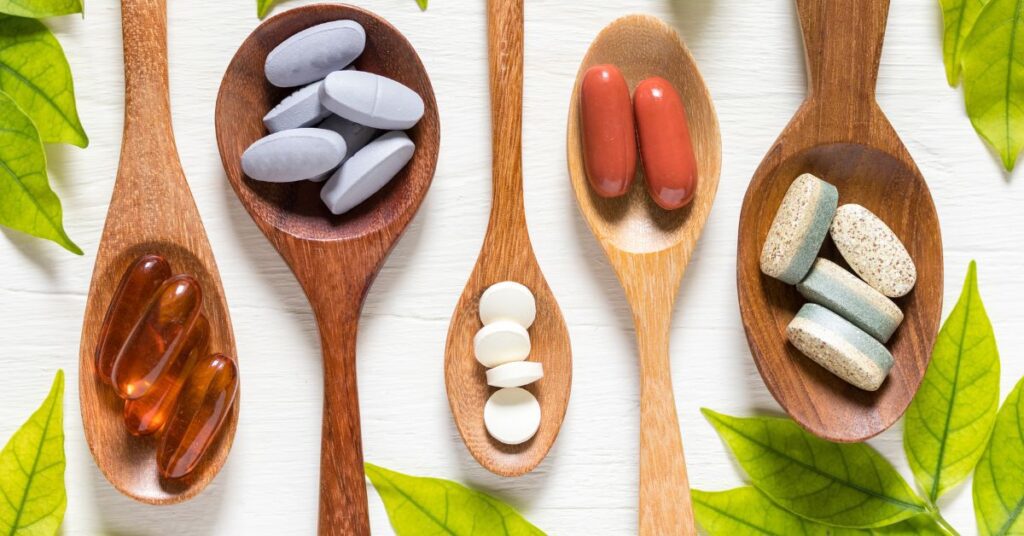
The most direct and widely researched method to increase NAD+ levels is through supplementation with its precursors. These are molecules that your body can convert into NAD+. The two most prominent precursors are:
- Nicotinamide Riboside (NR): NR has shown significant promise in human studies for effectively raising NAD+ levels. Multiple clinical trials have demonstrated its safety and efficacy in boosting systemic NAD+ concentrations. For example, a study published in Cell Metabolism highlighted NR’s ability to increase NAD+ and improve metabolic parameters.
- Nicotinamide Mononucleotide (NMN): NMN is another precursor that has generated considerable excitement. Research, including studies on its efficacy in mice, suggests it effectively boosts NAD+ levels. While human trials are ongoing and more extensive data is emerging in 2026, NMN is a popular choice for many seeking to enhance their NAD+ status.
When choosing a supplement, look for reputable brands that provide third-party testing for purity and potency. The dosage typically ranges from 250mg to 1000mg per day, though it’s always best to consult with a healthcare professional.
2. Caloric Restriction and Intermittent Fasting: Nature’s NAD+ Boosters
Fasting has been shown to activate sirtuins, a class of proteins that rely on NAD+ to function and are key regulators of longevity and metabolic health. By reducing caloric intake or engaging in intermittent fasting (IF), you can naturally enhance NAD+ metabolism.
- Caloric Restriction (CR): Consistently consuming fewer calories than your body needs (while maintaining nutritional adequacy) has been shown in numerous animal studies to extend lifespan and improve metabolic health. A landmark study published in The New England Journal of Medicine demonstrated that even moderate CR could have beneficial effects on cellular aging markers in humans.
- Intermittent Fasting (IF): Popular IF protocols include 16/8 (fasting for 16 hours, eating within an 8-hour window), 5:2 (eating normally for five days a week, restricting calories significantly on two non-consecutive days), or alternate-day fasting. Research indicates that IF can upregulate NAD+ salvage pathways and activate sirtuins. A review in Nutrients discusses the metabolic benefits and NAD+ implications of various fasting regimens.
Integrating IF into your routine, perhaps starting with the 16/8 method, can be a powerful way to support your NAD+ levels. Listen to your body and adjust the fasting window as needed.
3. Exercise: The Movement that Fuels NAD+
Regular physical activity is a cornerstone of good health and also plays a crucial role in NAD+ metabolism. Exercise, particularly high-intensity interval training (HIIT), has been shown to increase NAD+ levels in muscle tissue and improve mitochondrial function.
When you exercise, your muscles’ energy demand increases, prompting them to upregulate enzymes involved in energy production, including those that utilize NAD+. Studies have demonstrated that exercise can boost the expression of NAMPT, a key enzyme in the NAD+ salvage pathway. A study in the Journal of Physiology found that exercise training increased NAD+ levels in skeletal muscle. Aim for a mix of aerobic exercise and strength training throughout the week.
4. Diet Rich in NAD+ Supporting Nutrients
While not direct precursors, certain dietary components can support your body’s natural NAD+ production and function:
- Tryptophan: An amino acid that can be converted into NAD+. Found in turkey, chicken, eggs, dairy, and nuts.
- Niacin (Vitamin B3): Available in two forms, nicotinamide and nicotinic acid, which are converted to NAD+. Rich sources include meat, fish, eggs, and whole grains.
- Antioxidants: Compounds that combat oxidative stress, which depletes NAD+. Include plenty of colorful fruits and vegetables, berries, dark chocolate, and green tea.
- Healthy Fats: Essential for cell membrane health. Sources include avocados, olive oil, nuts, and fatty fish.
A balanced diet emphasizing whole, unprocessed foods will naturally provide many of these beneficial compounds.
5. Minimize NAD+ Depletion: Avoid Toxins and Stress
Just as important as boosting NAD+ is preventing its unnecessary depletion:
- Limit Alcohol Intake: Alcohol metabolism is a significant drain on NAD+ reserves, as the liver uses NAD+ to process ethanol.
- Reduce Exposure to Environmental Toxins: Pollutants, pesticides, and heavy metals can increase oxidative stress and DNA damage, leading to increased NAD+ consumption by repair enzymes.
- Manage Stress: Chronic stress contributes to inflammation, which can accelerate NAD+ depletion. Practice stress-reduction techniques like meditation, yoga, or deep breathing exercises.
- Prioritize Sleep: Quality sleep is crucial for cellular repair and regeneration. Aim for 7-9 hours of uninterrupted sleep per night.
A study on CD38, a major consumer of NAD+, highlights its role in immune responses and age-related diseases, emphasizing the importance of reducing inflammation which can activate CD38 and deplete NAD+ here.
The 30-Day NAD+ Reset Challenge
Ready to experience the transformative power of the NAD+ Reset? Here’s a sample 30-day plan that integrates these strategies. Remember to consult with your healthcare provider before starting any new supplement or diet regimen.
Week 1: Foundation and Awareness
- Start NAD+ Precursor Supplementation: Choose NR or NMN and begin with a moderate dose (e.g., 250-500mg daily).
- Implement 14/10 Intermittent Fasting: Gradually ease into IF by fasting for 14 hours and having an eating window of 10 hours.
- Focus on Diet: Eliminate processed foods and sugary drinks. Increase intake of vegetables, fruits, and lean proteins.
- Gentle Movement: Begin with 30 minutes of brisk walking or light cardio most days.
- Hydration and Sleep: Ensure you’re drinking enough water and aiming for 7 hours of sleep.
Week 2: Intensify and Observe
- Increase Fasting Window: Aim for 16/8 IF.
- Introduce Strength Training: Incorporate 2-3 sessions of bodyweight exercises or light weights.
- Monitor Energy Levels: Note any changes in your daily energy, focus, and mood.
- Continue Supplementation and Diet: Maintain your NR/NMN dosage and focus on whole foods.
Week 3: Optimize and Challenge
- Consider HIIT: If appropriate for your fitness level, add 1-2 HIIT sessions.
- Refine Diet: Ensure adequate intake of antioxidants and healthy fats.
- Stress Management: Dedicate 10-15 minutes daily to meditation or deep breathing.
- Listen to Your Body: Adjust fasting or exercise as needed. Some individuals might benefit from a brief refeed day if experiencing prolonged fatigue.
Week 4: Sustain and Evaluate
- Consistency is Key: Maintain your established routine.
- Reflect on Progress: How do you feel compared to the start of the month? Note improvements in energy, sleep quality, skin, and mental clarity.
- Plan Long-Term: Decide which aspects of the NAD+ Reset you will continue as a sustainable lifestyle.
Potential Benefits Beyond Energy and Aging
While the immediate focus of the NAD+ Reset is often on reversing cellular aging and boosting energy, the long-term implications are profound. Research is exploring NAD+ ‘s role in:
- Cognitive Function: NAD+ is vital for neuronal health and function.
- Cardiovascular Health: Supporting healthy blood vessels and heart function.
- Metabolic Health: Improving insulin sensitivity and glucose metabolism.
- Muscle Strength and Endurance: Enhancing mitochondrial capacity in muscle cells.
The ongoing research in 2026 continues to uncover new facets of NAD+’s impact, making it one of the most exciting frontiers in health and longevity science. For instance, studies are actively investigating NAD+’s role in improving mitochondrial health in various tissues, as discussed in recent reviews on cellular aging like this one.
Conclusion: Embark on Your NAD+ Journey
The NAD+ Reset offers a powerful, science-backed framework to combat cellular aging and revitalize your energy levels. By strategically boosting NAD+ precursors, embracing fasting and exercise, optimizing your diet, and minimizing depletion, you can actively influence your cellular health. While a 30-day reset can yield noticeable results, the true power lies in integrating these practices into a sustainable lifestyle. As research continues to expand in 2026, the potential of NAD+ for enhancing human health and longevity is only beginning to be fully understood. Are you ready to reset your cells and reclaim your vitality?